
“If you don't love this job, you can't endure it”... The reality for video production majors
Video production and color grading professionals discuss high labor intensity and hierarchical culture on the YouTube channel POV.
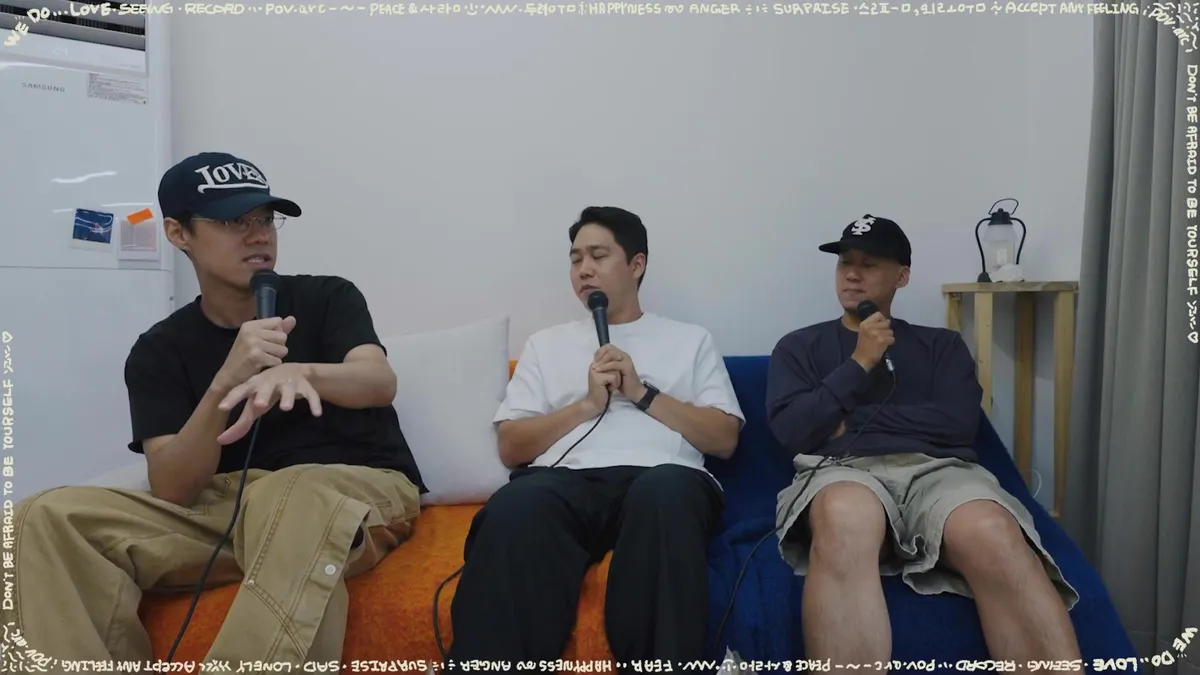
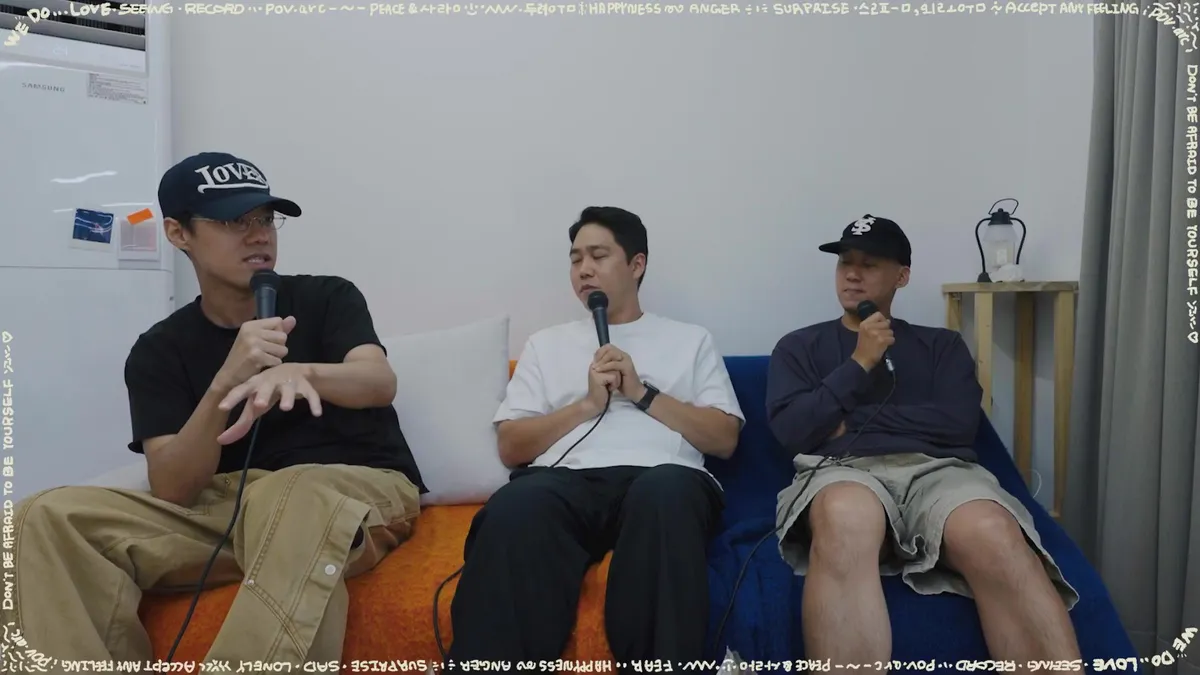
Professionals in the video production and color grading industry have shared candid reflections on the professional realities and on-set culture they face after graduation. In a video from the YouTube channel POV, individuals who majored in photography and video—currently working as a colorist and a director of photography (DP), respectively—revealed the industry's light and shadow without filter.
“It’s hard the moment salaries are compared”... High labor intensity and the reality of the video industry
One participant, who has worked in the industry, expressed the practical difficulties of working as a colorist (DI). He noted that he receives many inquiries from students and military personnel looking to enter the color grading field regarding training and career paths. However, he advised that it is difficult to sustain this career with a mindset of starting simply because the work "looks cool."
The participant specifically highlighted the economic gap experienced around the age of 30. "Once you pass thirty, you end up comparing salaries during drinks with friends, and at that point, if you don't love this job, it's hard to endure," he said. Due to the nature of the industry, professionals often work 12 to 15 hours a day; if the economic compensation is insufficient compared to typical office workers, many find they have no choice but to leave the profession.
Furthermore, he shared the hardships he faced while working at a post-production house. "The reason I work even while receiving a low salary is that I have trust that the company will take responsibility for me in the future," he said, but added, "However, even after working 60 hours a week for 4 to 5 years, I felt a sense of futility when I was told they could not take responsibility for my future due to the industry situation." He added that this experience motivated him to consider working in delivery services while investing in other fields.
Cultural differences during studies in the US and the transition to cinematography
Another participant, a graduate of photography and video, shared his experience of choosing a major while studying abroad. He stated that during his college years, he explored his aptitude through various classes as a photography major. He noted that during his third year, he explored fields such as media art, fashion photography, video, and motion graphics, feeling the pressure to decide on a career path before his senior year.
He explained that he pivoted toward video, drawn by the ability to unfold a story rather than the static nature of photography. He confessed that while studying in the US, he initially chose to major in directing, but hesitated upon realizing the local faculty's methods were rooted in American culture. "I wondered if I could write my own stories well if I pushed my directing while not being completely accustomed to the culture," he said, explaining his decision to switch to cinematography.
He also commented on the system used on US sets. Unlike Korea, he explained that US sets have a clear crew structure consisting of a DP, operators, seconds, and others, and that the atmosphere is relatively horizontal and enjoyable. He recalled how his diligence as an international student helped him gain recognition from various teams on set.
Critical views on the hierarchical culture of the field
The two participants also discussed the hierarchical culture within the Korean video industry. One participant expressed a critical view of the authoritative attitudes occurring on set, arguing that it is more efficient to immediately point out and resolve mistakes when they occur.
"It is possible for loud voices to occur on set, but I think acting authoritatively behind one's back after a problem has occurred is not good," he said, citing instances where superiors treat subordinates authoritatively at events such as preview screenings. He added, "While one can be strict while working, having a poor attitude after the work is finished can appear authoritative to those around you."



Comments 0