
"I learned Korean at restaurants" NiziU's MAKO and RIKU share stories of Japanese dialects at a community center
NiziU members MAKO and RIKU visited a Korean community center to communicate with local seniors, sharing cultural differences between Korean and Japanese languages.

Members of the group NiziU, MAKO and RIKU, visited a Korean community center to communicate with local seniors and shared the cultural differences between Korean and Japanese.
"In South Korea since trainee days"... Korean language skills built up for nearly 10 years
According to a video from the YouTube channel 'Kkondaehee', NiziU members MAKO and RIKU appeared as guests at the community center and conversed with the seniors. In particular, in response to questions about her Korean language skills, MAKO replied, "Since I have been in South Korea since my trainee days, I have been in South Korea for nearly 10 years," revealing that she has been staying in South Korea since she was in the third year of middle school after becoming interested in K-pop. MAKO added that she has encountered Korean in her daily life, such as visiting Korean restaurants in her hometown of Fukuoka to learn the language.
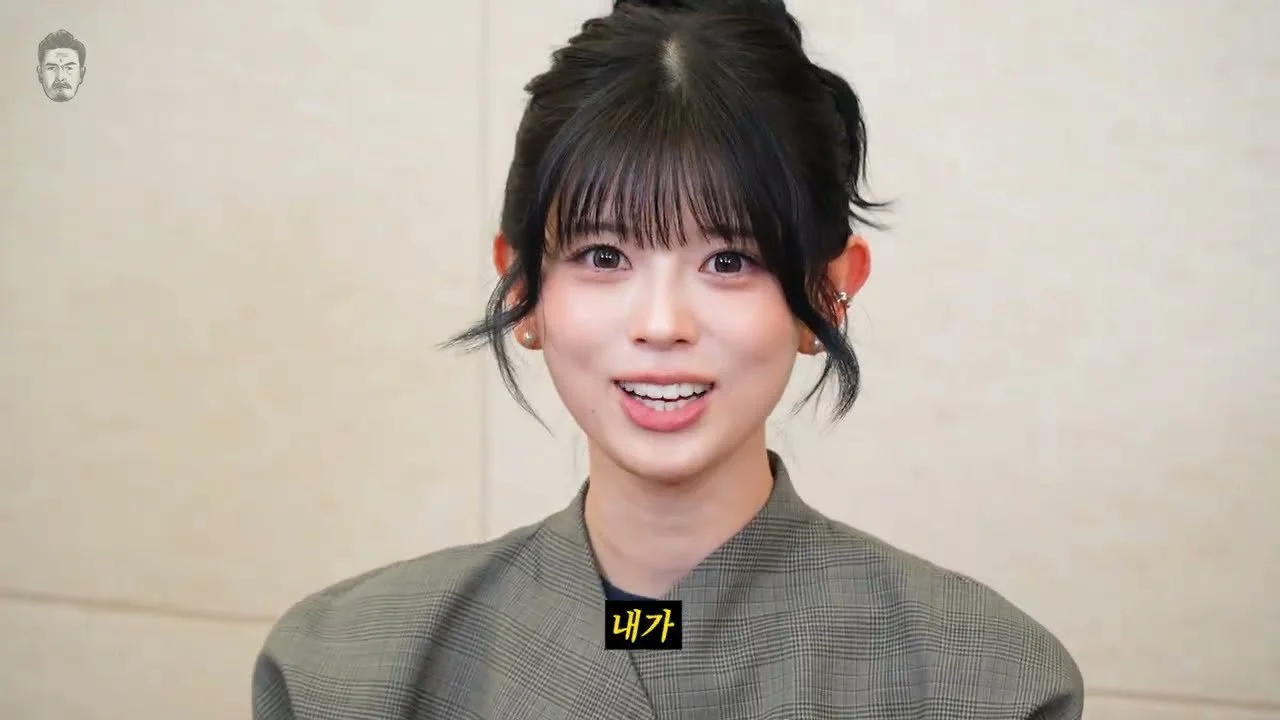
RIKU also continued natural conversations based on her experience of activities in South Korea. RIKU explained that although she was not a trainee, she became an idol through an audition, and it has now been 6 years since she began her activities. The two members mentioned their agency, JYP, and were seen explaining the composition and activities of the group NiziU to the seniors. MAKO conveyed that NiziU consists of nine members and that all members can speak Korean.
Fukuoka and Kyoto, "In Japan, dialects also differ by region"
During the conversation, stories about the members' hometowns, Fukuoka and Kyoto, also followed. The two, who revealed that MAKO is from Fukuoka and RIKU is from Kyoto, explained that linguistic differences exist even within Japan depending on the region. RIKU stated, "The pronunciation of Kyoto and Fukuoka is completely different," and mentioned that even among the same Japanese people, there are cases where they cannot understand each other's speech depending on the region.
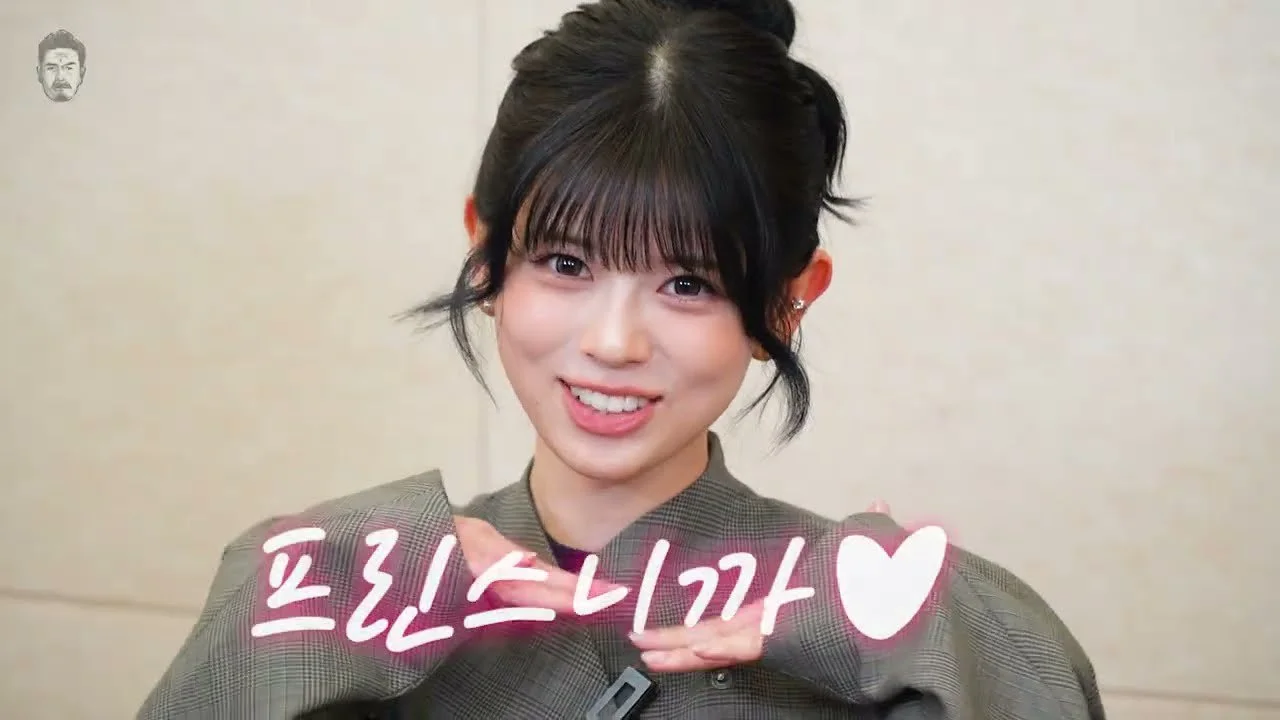
MAKO mentioned the characteristics of the Fukuoka dialect, giving examples such as the way certain endings are attached to the end of sentences. In the following conversation, the members demonstrated a communication style integrated with local culture, such as greeting the seniors using regional Japanese accents. MAKO mentioned the method of attaching 'do (ど)' to the end of words as an example of the Fukuoka dialect, and RIKU was seen greeting them using the Kyoto accent.
Conversations through origami amidst the warm scenery of the community center
In the community center shown in the video, warm jokes were exchanged alongside the sight of seniors folding paper cranes. The seniors showed friendliness by teaching the idol members from Japan how to fold paper cranes or by talking about changes in the village. A village elder handed over colored paper and taught them how to make paper cranes, and the members responded to the seniors' suggestions by folding paper airplanes. The members were captured responding sincerely to the questions of the village elders, experiencing the atmosphere of the village as guests from Japan.
Source: original video (YouTube)
Jeong Dong-jin reports for NBNTV Global, mainly covering K-drama and also writing on K-Tech and K-Variety.
Related Articles

Jang Beom-june, "If there are more than a thousand people, I do my makeup"... Visit to Busan International Rock Festival

Hwang Min-hyun 'OUR' Music Video, Produced by AIMUS and Applying AI VFX Technology
Comments 0