
How to use 'three-cushion' communication to reduce marital conflict
Guests on the YouTube show Dongchimi share unique ways to avoid nagging and manage lifestyle differences in marriage.
Couples often use their children as intermediaries to avoid nagging or find various ways to mediate conflicts arising from differing lifestyle habits. In a recent video from the YouTube channel Dongchimi, cast members shared specific daily habits that cause friction in their marriages and the unique methods they use to resolve them.
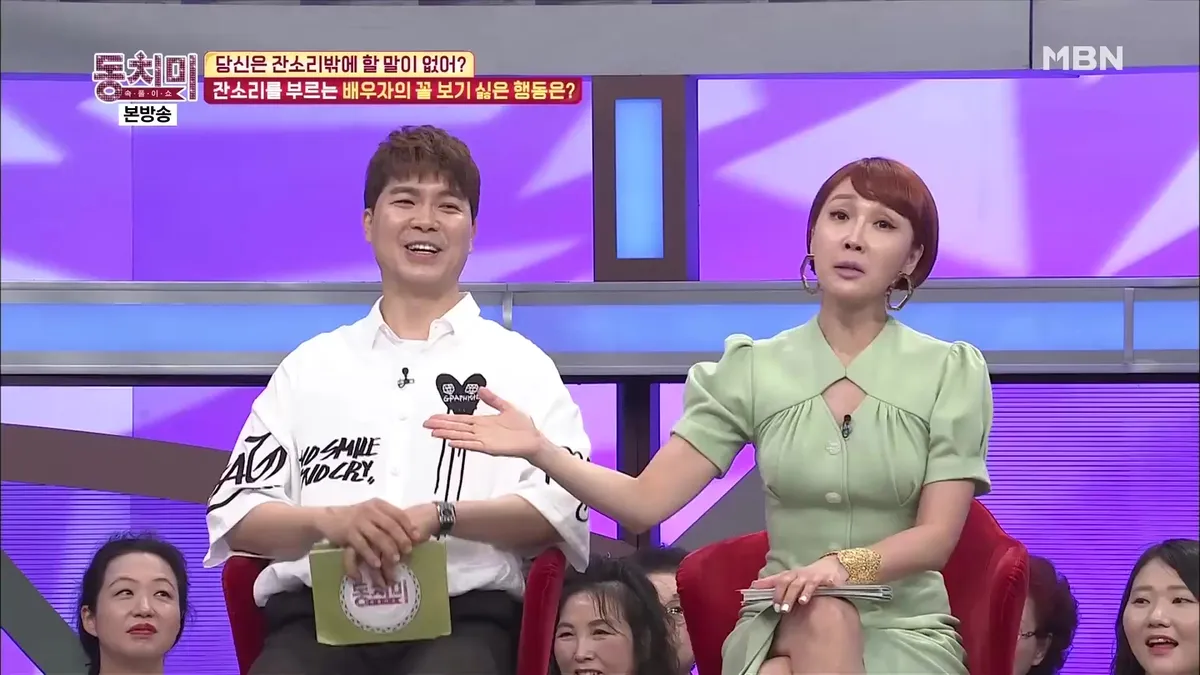
'Play three-cushion in front of the kids': An indirect approach to avoid nagging
The cast members discussed a so-called 'three-cushion' communication method, where they convey their intentions through their children rather than nagging their spouses directly. One participant revealed that when addressing a spouse's hygiene, they use the children as a buffer. For example, if dissatisfied with a husband's cleanliness, a wife might tell their son, "You need to be clean and look good so that girls will notice you," thereby nudging the husband to correct his behavior without bruising his pride.
Daily clashes over parking and cleanliness
The discussion also covered conflicts caused by minor daily habits. Regarding parking, one participant shared how moving their car to a wider spot to avoid door dings led to a dispute because they failed to inform their spouse. When the spouse went to use the car the next day, they couldn't find it. The participant explained that even when they proudly announced the move later, it only triggered more nagging from the spouse questioning why the car had been moved in the first place.
Differing standards of cleanliness were also cited as a major source of tension, particularly regarding shower frequency and hair care. One participant explained that to maintain a hairstyle done at a salon, they wrap their hair in a towel and only wash their body when showering at home. However, this often leads to conflict when the spouse notices and suggests a full shower due to concerns like hair odor. Even minute details, such as the flow of water from a kitchen sink faucet, can trigger similar disagreements.
Driving styles and the art of spatial separation
Differences in driving habits can also sow seeds of discord. One participant described wanting to take the wheel because her husband's driving was unstable, only to be rejected by him, who insisted he could get them there faster. Ultimately, riding in the car resulted in further frustration when the husband took a different route than planned.
To minimize friction, some participants suggested maintaining physical and psychological distance. One participant shared a strategy of minimizing contact by choosing a lifestyle with no overlap with their spouse. This includes avoiding riding in the spouse's car or staying out of their room to prevent unnecessary clashes.



Comments 0