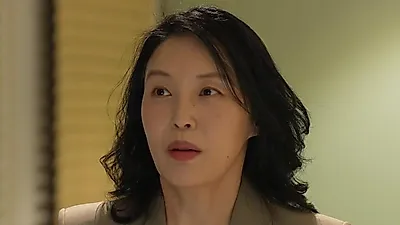
"He can kill me, but not break my spirit": Resisting parental discipline
Cast members on Dongchimi discuss how parental speech patterns and discipline methods shape personality and are passed down through generations.
Cast members recently shared personal experiences regarding how parental speech patterns influence a child's personality and behavior, and how these habits are passed down through generations. In a video released on the YouTube channel 'Dongchimi' on the 20th, the cast discussed the communication styles, discipline methods, and marital dynamics they experience within their own families.
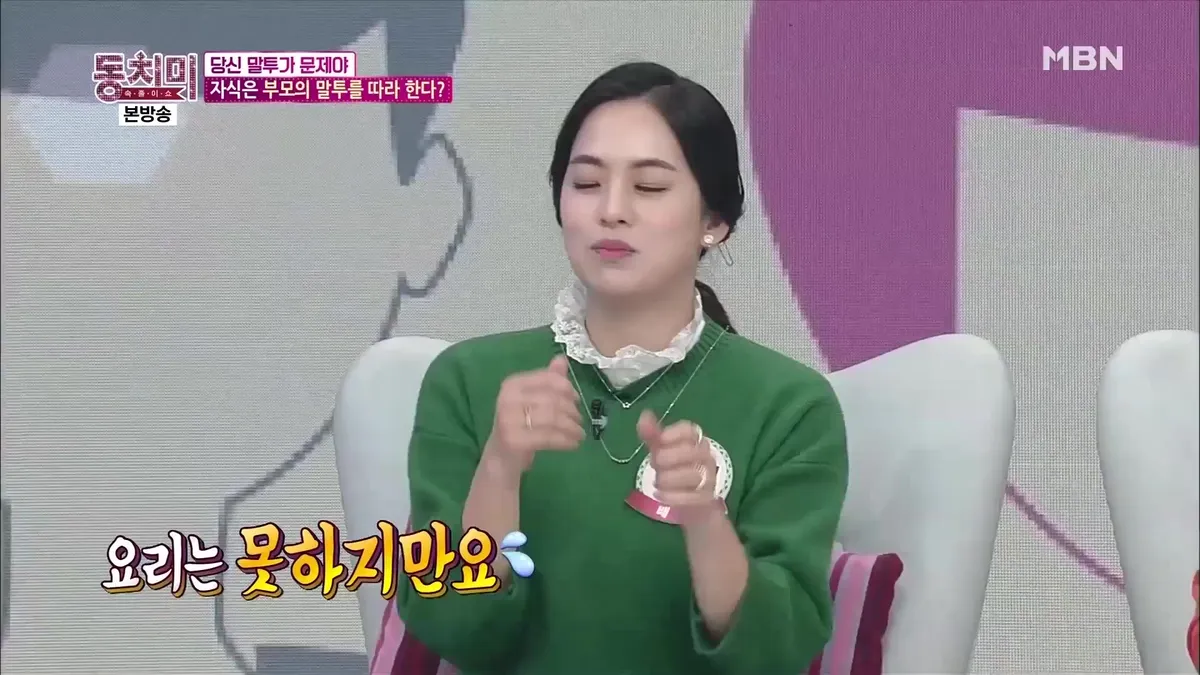
"He can kill me, but he cannot break my spirit": Resisting a soldier father's commanding tone
One cast member recalled the speech style of her father, a former soldier. She shared that he conducted all conversations in a commanding tone, even using authoritative language like "Yeobosio" during phone calls.
The cast member recounted an incident from her third year of middle school when she rebelled against her father's commanding manner. When he attempted to discipline her with a belt, she stood her ground, telling him, "My father could kill me, but he cannot break my spirit." She noted that after this confrontation, the physical discipline stopped. She also expressed concern that she finds herself mimicking her father's behavior when disciplining her own child, highlighting how parenting styles can be inherited across generations.
"You're quite the talker, go tell my parents that": Marital conflicts and linguistic habits
The discussion also covered linguistic habits between spouses. One cast member shared that after moving in with her husband, conflicts arose regarding their children's discipline. When she tried to voice her position, her husband shut down the conversation by saying, "Hey, you're quite the talker. Go tell my mom and dad that." She noted the difficulty of the situation, as her husband seemed to avoid taking responsibility as a partner.
Conversely, some couples use honorifics to manage conflict. One participant mentioned that using polite language during arguments helps maintain composure and rationality, which can aid in reconciliation. Others suggested that honorifics create a healthy distance that reduces emotional clashes. However, some noted that a wife's use of honorifics can feel intimidating, while other couples maintain polite speech to honor promises made during their dating years.
"Switching to passenger mode at home": How professions influence speech
The influence of professional roles on domestic communication was also a topic of interest. One cast member explained that his wife, a flight attendant, maintains a kind demeanor with clients but switches to "passenger mode" when she returns home, treating him as if she were providing service. He noted that because her job is so demanding, he tries to balance it by handling tasks like deliveries or quick services.
Regarding forms of address, the cast discussed how people may be polite in public but switch to informal language or terms of endearment like "Jagiya" (honey) at home. One cast member shared his own techniques for using the term "Jagiya" with his wife and others, recounting various episodes that arose from it.
Related articles