"My hands are too big to give small portions"... A Master's Gamjatang Crafted with Simple Ingredients
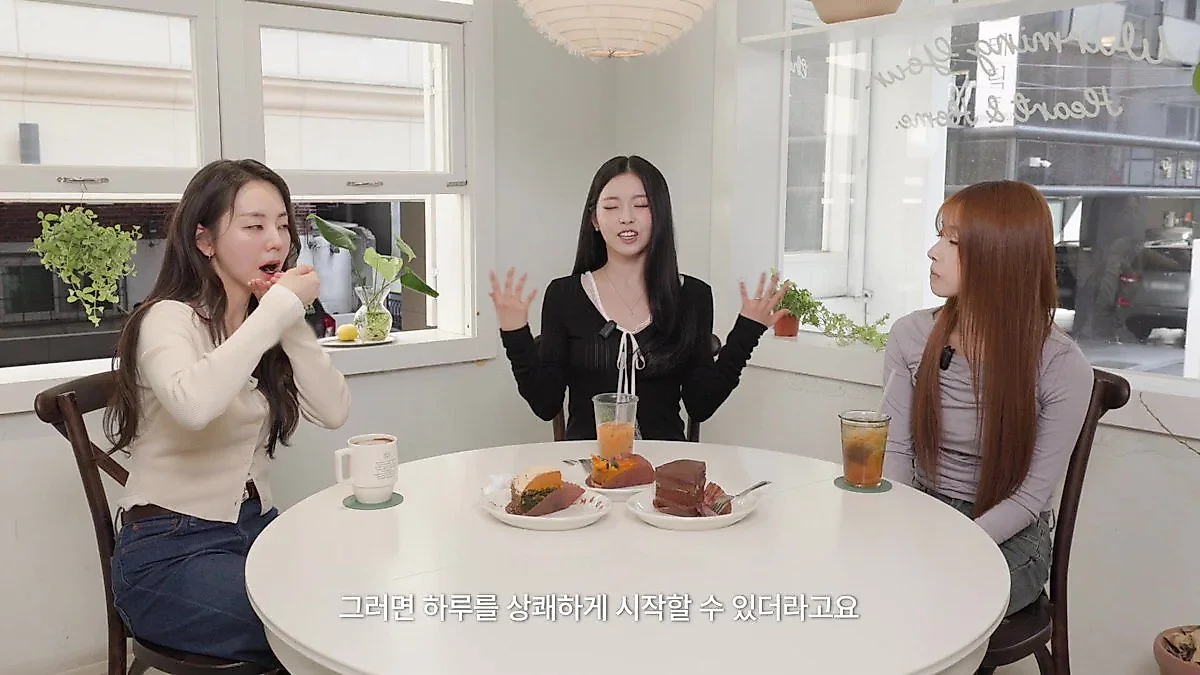
The tvN STORY program 'Neighborhood Masters' features a master chef who creates a clean and refreshing Gamjatang using perilla leaves and enoki mushrooms instead of traditional ingredients. The master emphasizes using fresh pork backbone and homemade soybean paste to ensure high quality and deep flavor.
A simple combination of ingredients and heavy sincerity create a deep flavor. In the tvN STORY program 'Neighborhood Masters', the cooking process and philosophy of a Gamjatang master, who realizes a clean and refreshing taste using perilla leaves and enoki mushrooms, are captured.
Perilla leaves and enoki mushrooms instead of perilla seeds, the secret to the broth's refreshing taste
Unlike typical Gamjatang that uses an abundance of dried radish greens, potatoes, and perilla seed powder, the Gamjatang here uses perilla leaves and enoki mushrooms as main ingredients. The cast in the video noted the simple ingredients, which differ from the usual Gamjatang composition, and focused on the source of its flavor. While perilla seeds wrap the broth in nuttiness, perilla leaves add freshness with their unique fragrance, playing the role of keeping the aftertaste of the broth refreshing.
In the cooking process, homemade soybean paste plays a key role. The master mentioned the importance of the soybean paste in the video, saying, "If you add this soybean paste, it gives a nutty taste and the unpleasant odors disappear." To this, a green seasoning containing Cheongyang chili peppers and onions is added to capture both spiciness and thickness at the same time. When red pepper powder is placed on top of the finished broth and boiled, a clear and light broth is completed through a process of continuously skimming off the oil. This entire process takes about 3 hours.
Insisting on fresh backbone instead of frozen... The value of ingredients that are 20% more expensive
The secret to the tender meat begins with the selection of ingredients. The master uses fresh backbone delivered every morning and insists on fresh meat that has not gone through a refrigerator. This is to prevent the unpleasant odors that can occur when using imported or frozen meat. The master revealed that they do not skimp on costs to secure fresh backbone with abundant meat and high quality, stating, "I bring in meat about 20% more expensively than others."
During cooking, a process of thoroughly washing away the waste between the bone joints is performed. This sincerity serves as the foundation for creating a texture so soft that the meat fibers fall apart just by touching them with chopsticks. The cast focused on the taste where the texture of the meat, so tender that it falls off the chopsticks, harmonizes with the scent of perilla leaves.
"It's like my own child"... A heaped bowl of rice filled with generous hospitality
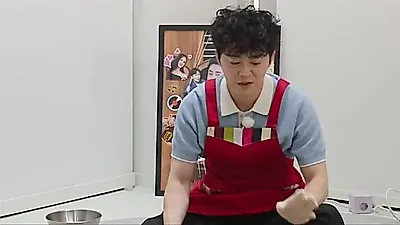
The master's honesty is also revealed in the amount of food. The cast expressed surprise at the generous portion served when ordering a medium size. The master showed a generous attitude, saying, "Since they eat a lot, I give a lot," and adding that because their hands are large, they cannot serve small portions. The heaped bowl of rice, scooped to overflow with the desire to feed customers without shortage, symbolically shows the master's generosity.
Regarding the mindset toward customers, the master expressed, "I am happy that I can do this for the customers who come to our place," revealing a heart that regards customers as if they were their own children. A bowl combined with honest ingredients, 3 hours of sincerity, and generous hospitality provides an experience that goes beyond a simple meal to fill the heart.
 Up next
WJSN’s Seola and Soobin Explore Imsil, From Nongak to Cheese Cuisine
Related articles