Cooing delivers a song of hope with 'Orange Watermelon Mango'
Artist Cooing releases 'Orange Watermelon Mango,' a vibrant track blending nostalgic imagery with a hopeful message of waiting and reunion.
New music blending soft emotions with vibrant colors has arrived. Artist Cooing has delivered a heartfelt message through a multi-colored lyric video titled 'Orange Watermelon Mango.' The track builds a unique sentiment, capturing the hope one wishes to convey to another even amidst shy hesitations.
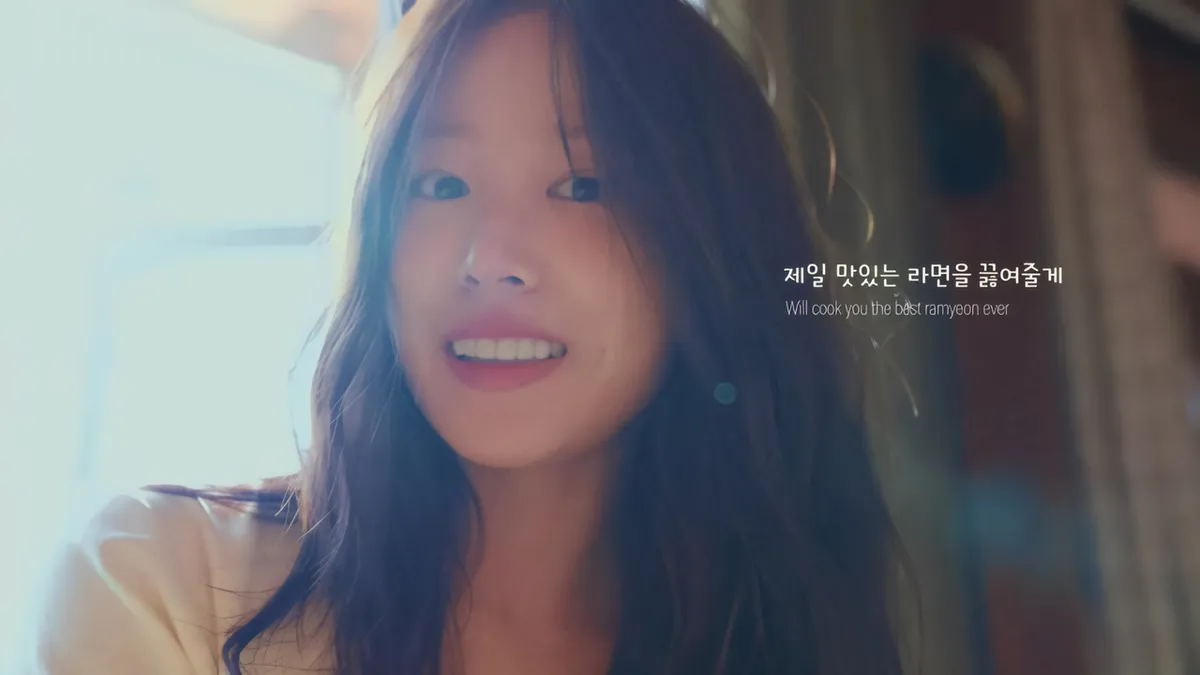
Lyrics gathering fragments of memory: "It's okay to be a little late"
The sentiment permeating the song is one of patient waiting and gentle promises. Lyrical imagery, such as landscapes of riding roller skates and hills under tall trees, brings these feelings to life. The phrase "It's okay to be a little late" demonstrates a determination to wait for the other person without rushing. The promise to make them smile like morning sunlight upon their reunion completes the song's warm atmosphere.
The lyrics feature specific motifs that evoke childhood nostalgia. These include comparing memories to the sensation of balsam-dyed fingernails etched in one's heart, or expressing simple yet sincere devotion by saying, "I'll cook the most delicious ramen for you." The mention that even slightly salty ramen will be eaten entirely reveals a tender heart that intends to embrace even the imperfections of the other person.
'Ssttu ttarrira hoit': A repeating rhythm and a message of hope
The repeating chorus, "Orange Watermelon Mango, Orange Watermelon Mango" and "Ssttu ttarrira hoit!" are key elements that enhance the song's addictiveness. The confession of sending countless hopes after shy hesitation pairs with the title 'Orange Watermelon Mango' to provide a refreshing feel. As the song progresses toward the latter half, the cry "Let's play together" repeats, rhythmically expressing a longing to return to the joyful moments of the past.
Ultimately, the song maintains a positive outlook, promising a future reunion while acknowledging the sense of loss that accompanies growth. While expressing a hint of sadness by asking, "Will it disappear when we become more grown-up?", it concludes with the cheerful greeting, "Let's be happy, hoit!", delivering bright energy to the listener.
Related articles