Why Did Kwon Hae-hyo Desperately Ask Jin Kyung to Get Their Stories Straight?
In Love on the Menu, Kwon Hae-hyo makes a desperate appeal to Jin Kyung, signaling a turning point in the family drama.
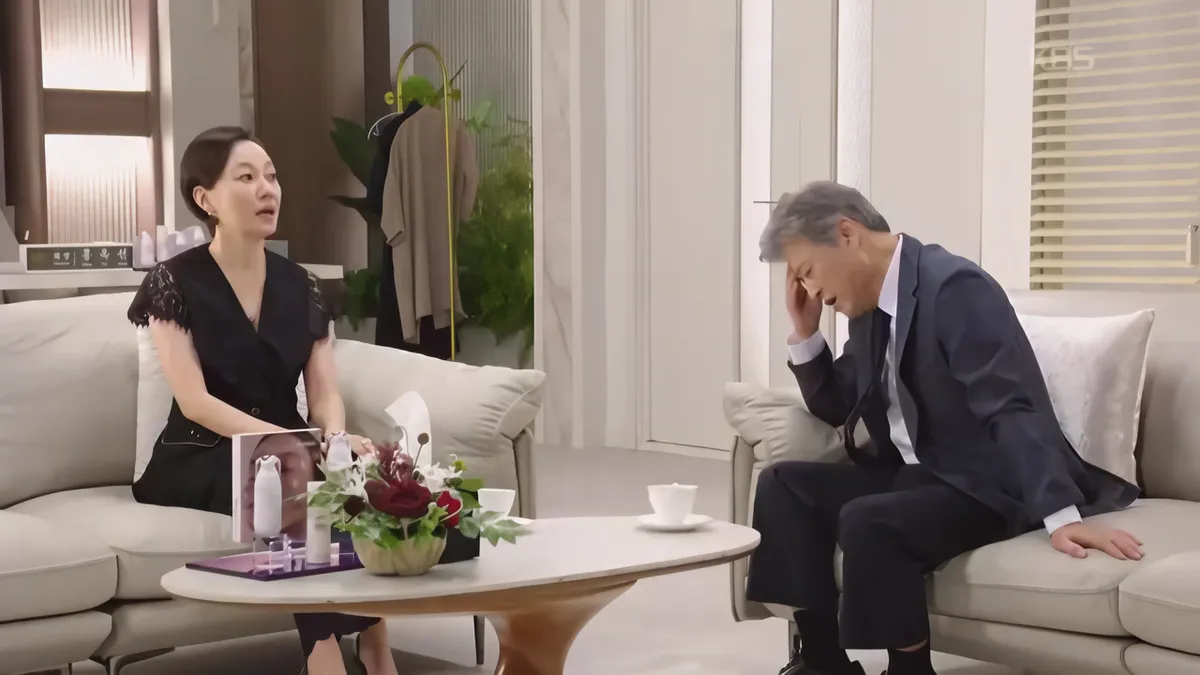
The complicated interests connecting the characters are coming to the surface in Love on the Menu, a drama about a family that falls apart and is subsequently rebuilt. In a recently released scene, Kwon Hae-hyo seeks out Jin Kyung in person and earnestly asks her to speak on his behalf. His remark, "Why else would I go this far?" suggests that the circumstances confronting him are anything but trivial.
The desperate choice of a character pushed to the brink
Kwon Hae-hyo's appeal to Jin Kyung appears to go beyond a routine request for cooperation. After explaining the situation from his perspective, he asks her to get their stories straight. The request carries particular weight because he is not merely seeking sympathy or casual assistance. He needs Jin Kyung to support the account he has presented, making her response directly relevant to what happens next.
The exchange indicates that Kwon Hae-hyo has reached a point where the problem facing him may be too difficult to resolve on his own. It may also mean that finding a way out will be nearly impossible without Jin Kyung's cooperation. His words convey the urgency of someone who believes that the available options have narrowed, and that sense of desperation heightens the dramatic tension surrounding the scene.
Love on the Menu follows a man and a woman who gather the broken pieces of a family and use them to prepare what the drama describes as a warm table for life. Centered on Ha Seok-jin and Ahn Hee-yeon, the story focuses on how its characters gradually fill the absences and deficiencies in their individual lives. The rebuilding of family is therefore presented not as a simple process, but as one shaped by difficult relationships, unmet needs and the choices each person makes.
Kwon Hae-hyo's behavior in this scene reflects the conflicts that arise within the framework of family. It also reveals the burden of the choices an individual may have to endure in an attempt to mend those conflicts. His plea to Jin Kyung is tied to that larger theme: the effort to hold relationships together can demand cooperation from others, while also placing trust and personal responsibility under pressure.
A dramatic turning point created by the relationship between two characters
The relationship between Jin Kyung and Kwon Hae-hyo appears poised to enter a new phase because of this request. The network of relationships among the characters could shift significantly depending on how Jin Kyung chooses to respond. Whether she accepts his appeal, resists it or confronts the situation in another way may affect more than the immediate problem he has brought to her.
The implications extend beyond the act of simply coordinating what they say. The trust between Jin Kyung and Kwon Hae-hyo, or the conflict that may emerge between them, has the potential to become an important turning point in the drama's direction. His request places their relationship at a crossroads, and her reaction could influence how the surrounding characters relate to one another as the story develops.
Ultimately, the drama's vision of a "warm table for life" appears likely to take shape only after its characters pass through these conflicts. Some may choose to cover for one another's faults, while others may have to face the truth and endure the pain that follows. Through that difficult process, the story invites viewers to reconsider what family means and what people are prepared to bear in order to preserve or rebuild it.
Attention now centers on the repercussions of Kwon Hae-hyo's brief but urgent appeal. The question is not only whether Jin Kyung will agree to get their stories straight, but also how the consequences of her decision could reshape the relationships among the drama's characters. The weight carried by that single remark leaves the next stage of their family conflict open to significant change.
Related articles