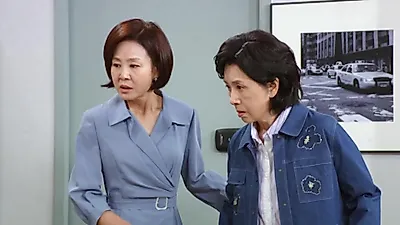
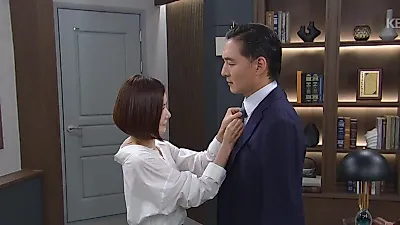
Korea Ura echoes through Harbin Station in new fantasy drama
The K-drama 'The City Where Time Stopped' reimagines An Jung-geun's pursuit of independence and peace through a fantasy time-slip lens set in 1909 Harbin.
At 9:30 AM on October 26, 1909, every clock in Harbin points to a single moment in time. The story enters a new phase as the protagonist, Jeong HaeRin, investigates the frozen city and follows a signal left by the Golden Mask toward Harbin Station. What she encounters there is not merely a record of the past, but the resolute determination for the independence of a stolen nation and the noble convictions of a man who sought to protect the peace of the East.
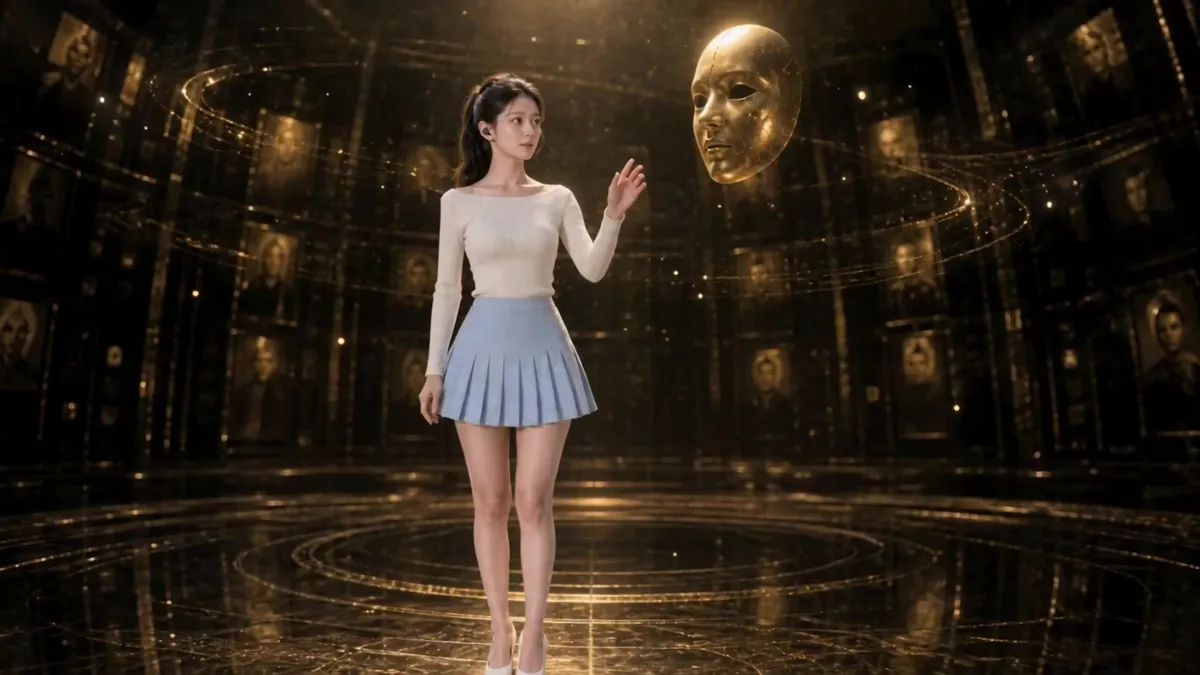
Harbin in 1909: Facing a sealed historical moment led by the Golden Mask
The K-drama "The City Where Time Stopped: Harbin/An Jung-geun Edition" is a creative time-slip fantasy inspired by actual historical events and the spirit of independence and peace championed by An Jung-geun. Set in Harbin on October 26, 1909, as indicated by the Golden Mask, this episode symbolically reconstructs the questions left in the courtroom and the memories of independence that were once meant to be erased. The historical moment sealed at Harbin Station comes back to life through Jeong HaeRin's footsteps.
Regarding the memories encountered at Harbin Station, Jeong HaeRin says, "What this memory tried to protect was not hatred, but independence and peace." The narrative suggests that while some tried to erase the memories of that day, they never truly disappeared, instead waiting for someone to look upon them and speak of them once more. The cry of "Korea Ura!" echoing through the cold Harbin winter serves as a symbolic device signaling the resumption of halted time.
The will for independence blooms through fantasy and historical symbolism
Rather than replacing actual history or making definitive claims about specific facts, the work combines the spirit of historical figures with fantasy settings. The historical scenes are symbolically reconstructed and implemented within a fictional narrative without replicating the actual faces or voices of historical figures. Set against the backdrop of Central Street and Saint Sophia Cathedral, the visuals convey the scenery of Harbin to enhance immersion.
The process of solving the mystery of the frozen city re-examines the value of the peace of the East left by An Jung-geun from a modern perspective. From the tension-filled moments at Harbin Station to the conclusion at Saint Sophia Cathedral, the drama delivers a message to viewers by posing the question of how historical memories should be passed down to the next generation.
Related articles