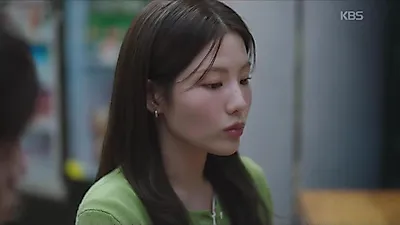
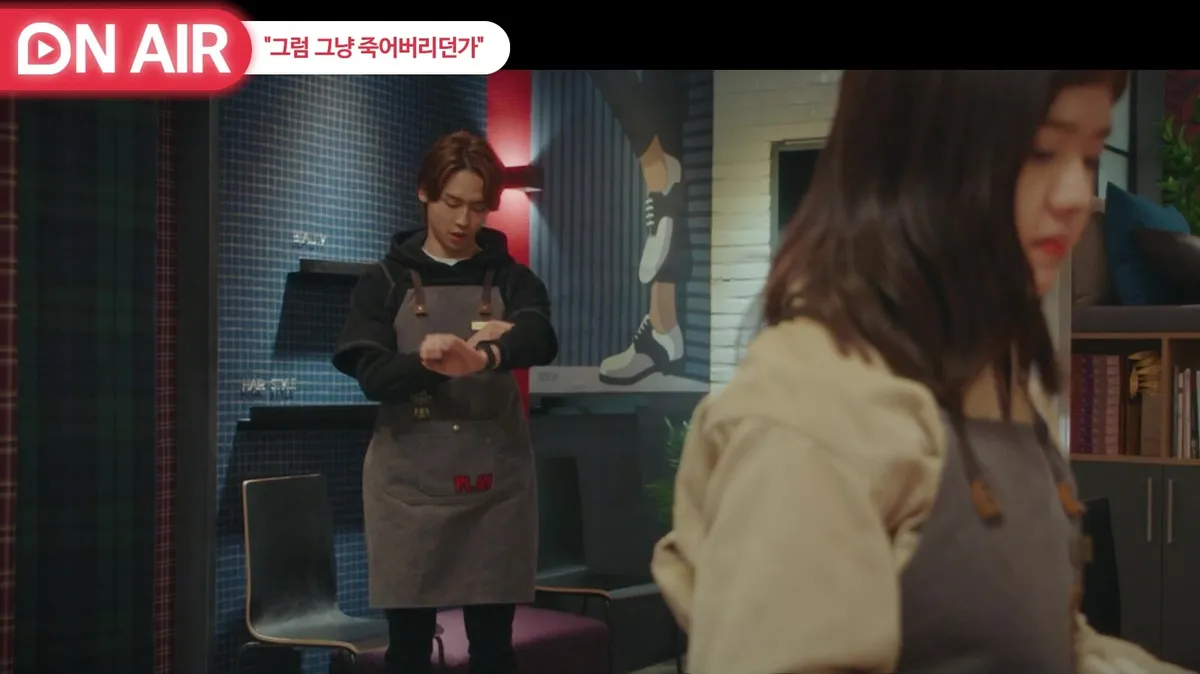
“If you can't do what you want, just die”... Kim Hyang-gi's chilling rebuke of Park Jeong-woo
In the JTBC drama Salon De Nabi, Kim Hyang-gi delivers a scathing critique of Park Jeong-woo's lack of professionalism and passion.
Characters in the JTBC drama "Salon De Nabi" clashed sharply over professional ethics and life philosophies. In the second episode, which aired on September 20, 2026, Kim Hyang-gi delivered a stinging rebuke regarding Park Jeong-woo's attitude.

“A matter of responsibility”... Criticizing Park Jeong-woo's attitude
In the episode, Park is depicted with a lax attitude, frequently leaving his post or joking with customers during work hours. His colleagues pointed out that his behavior is a fundamental issue of responsibility. During the scene, Park Mu-yeol addresses the lack of accountability when leaving a post, noting that Park's tendency to joke with customers makes it appear as though he is not focused on his duties.
A former physical education student, Park's physical abilities are jokingly compared to a running elephant during a moment when Park Mu-yeol had to run all the way to Hapjeong Station. However, despite these personal traits, those around him expressed growing frustration with his professional conduct.

“Just doing it to make a living”... Kim Hyang-gi's blunt criticism
Kim delivered a direct and piercing critique of Park. Questioning why he entered the beauty industry, she called out his pretension, noting that he acts as if he is performing a grand task when he is simply working to make a living. Kim expressed intense dissatisfaction with how Park handles his work carelessly while others around him strive to do their best.
In a particularly intense moment, Kim used the extreme expression, “If you can't do what you want, just die,” to lash out at his lack of willpower and lost sense of purpose. This chilling remark goes beyond a mere critique of his work ethic, revealing Kim's cynical view of Park's overall approach to life.
The scene highlights the stark differences in values between the characters, deepening the central conflict of the drama.
Related articles