
"I was told to only eat the pretty parts"... The various forms of food greed, between deficiency and desire
YouTuber Omar discusses the diverse manifestations of food greed, ranging from irrational habits that cause social friction to creative passions for cooking.
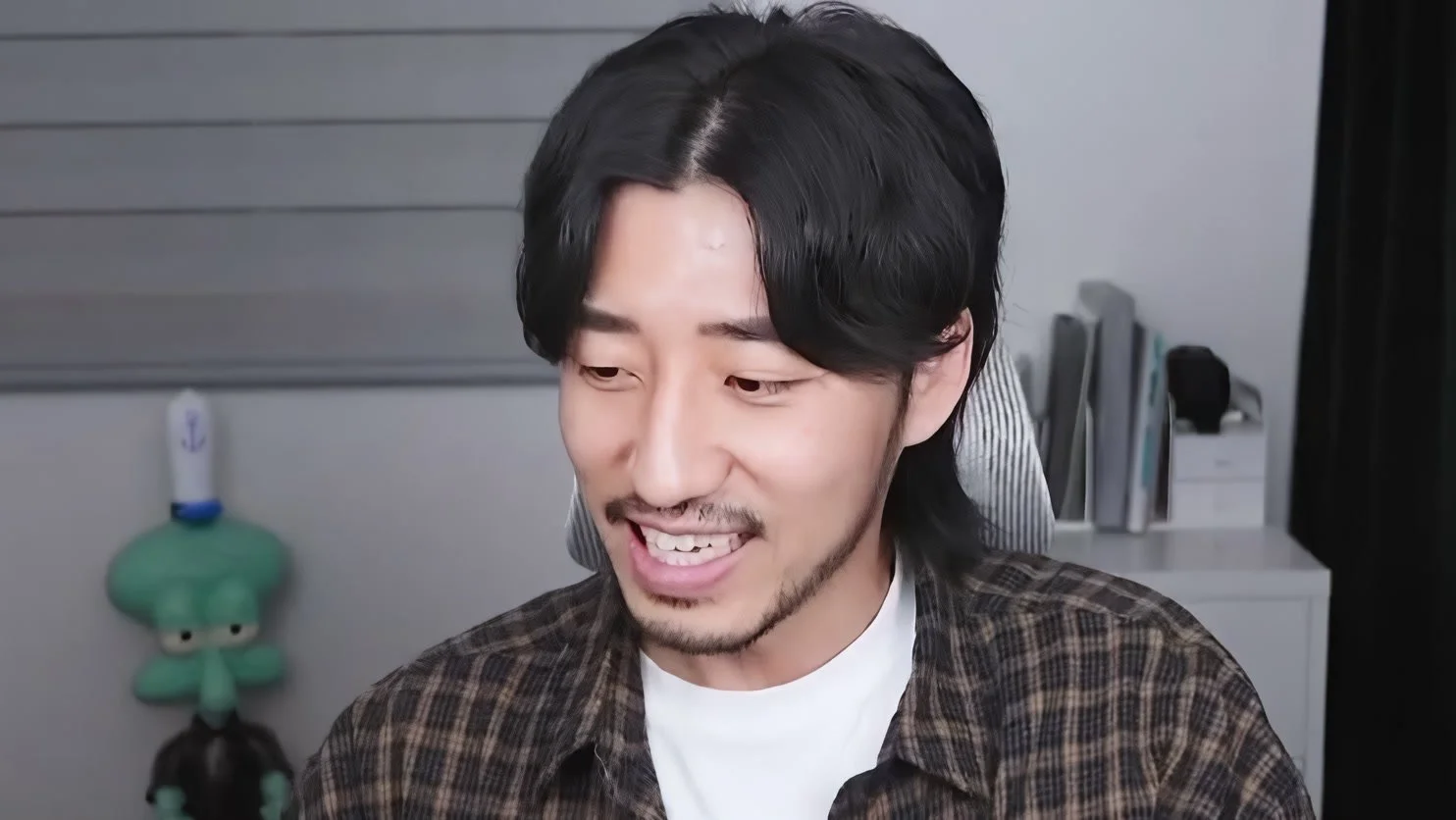
The attitude toward food sometimes becomes a mirror that reveals a person's character or values. Beyond simply liking food, behaviors during a meal can sometimes cause embarrassment to those around them or create discord in relationships. A story recently introduced by YouTuber Omar through his channel shows how the emotion of 'food greed' can manifest in various forms.
"I try to save it, but I end up leaving it"... The incomprehensible eating method of a prospective daughter-in-law
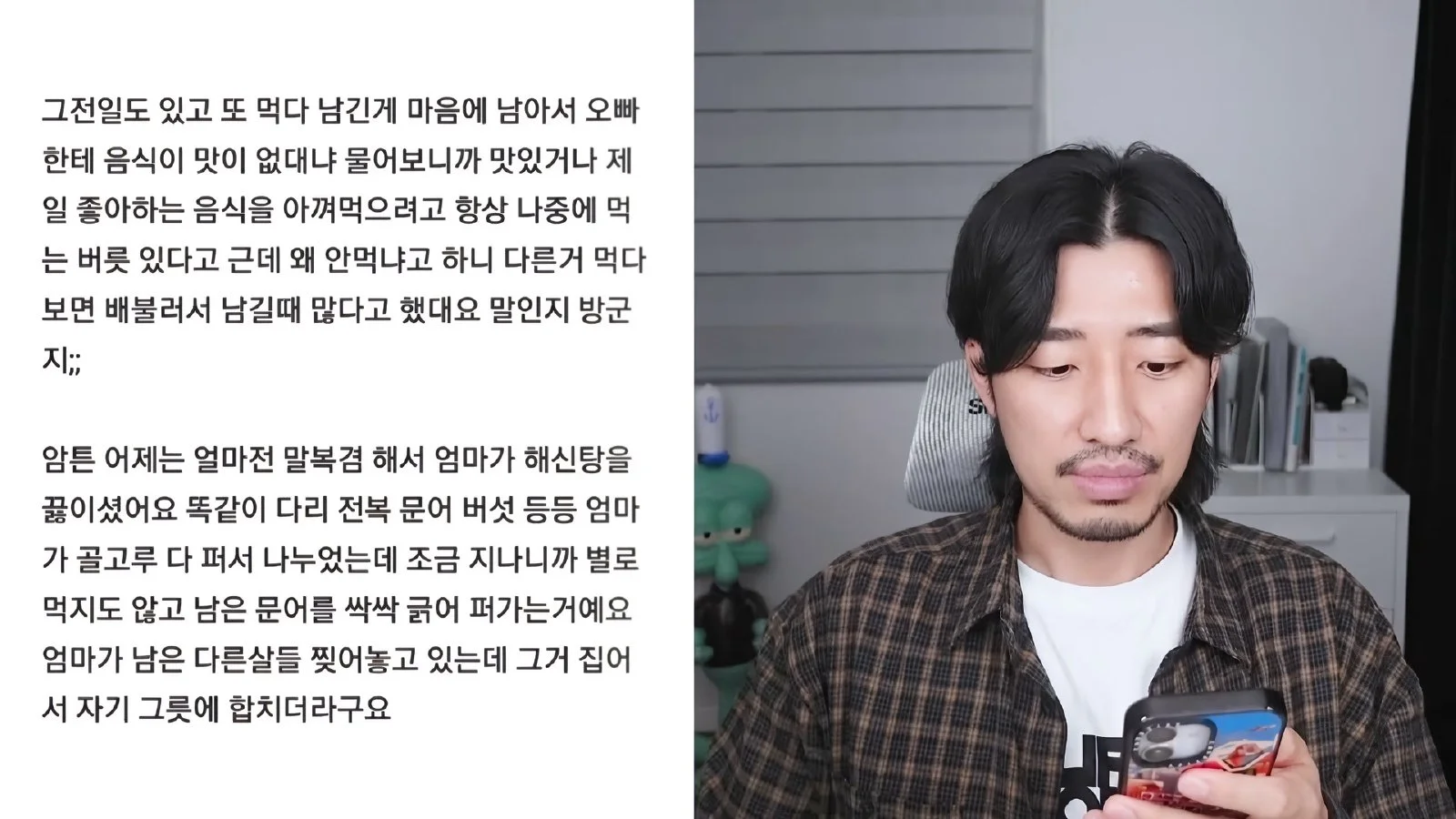
According to the story shared by Omar, the eating habits of a prospective daughter-in-law made the heart of a prospective mother-in-law heavy. The protagonist of the story conveyed the embarrassment felt by a mother while dining with a prospective daughter-in-law who had come to visit her in the provinces. The mother is someone who enjoys cooking and finds happiness in watching people eat delicious food, but she felt great disappointment during this meal.
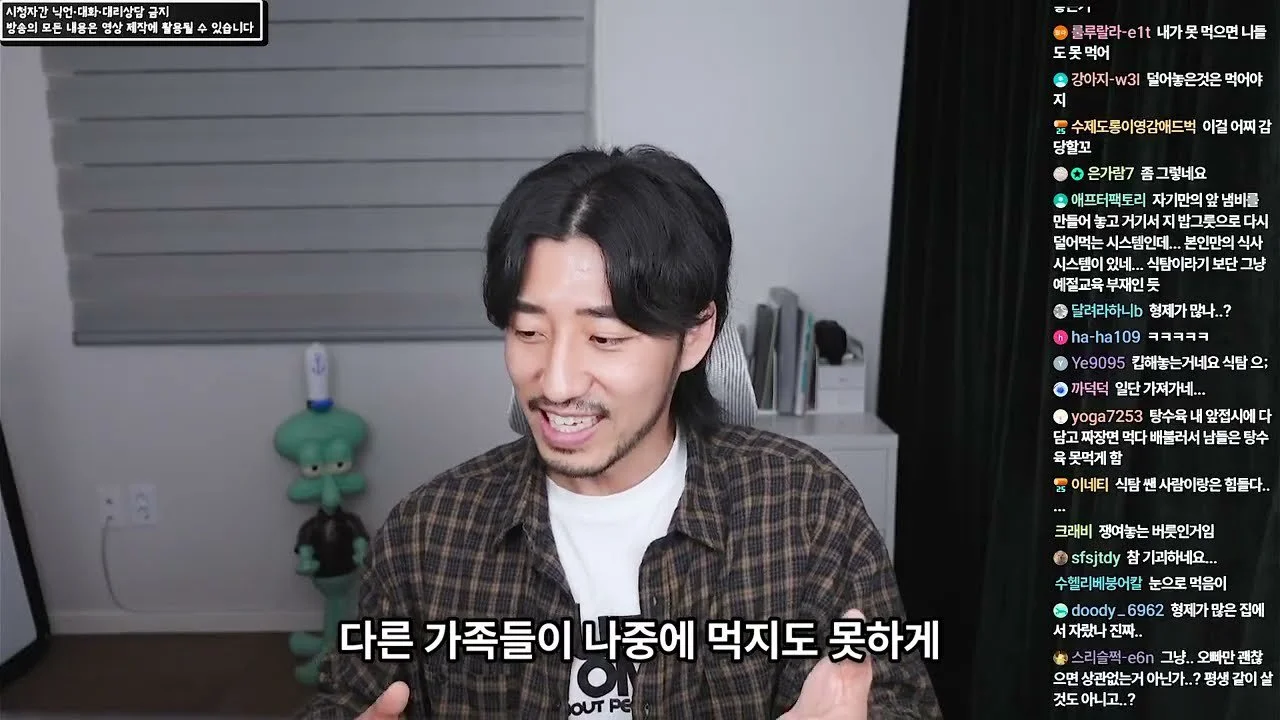
The problem was the way she approached the food. When main dishes like braised seafood or braised short ribs were served, the prospective daughter-in-law would scoop a large amount onto her own plate but focus on other side dishes instead of actually eating them. In particular, unlike the typical behavior of taking one or two pieces after saying she likes braised short ribs, she had a habit of moving a large amount to her plate all at once. However, while not even touching the main dish, she repeatedly ate more than half of the side dishes, such as rolled omelets or quail eggs, by herself.
The reason for this behavior was surprisingly simple. It was that she "saves the food she likes to eat later." However, the main dish she intended to save ends up being left behind because she is already full from the other side dishes. According to Omar's analysis, this is a form of 'broken food greed' where a sense of relief from having 'secured' the food on one's own plate causes the eyes to turn toward other food. Contrary to the intention of saving food, it results in wasting food and taking away the portions of those dining together.
Food greed stemming from deficiency, and the shocking answer: "I was told to only eat the pretty parts"
Omar expressed the view that such food greed can go beyond simple eating habits and be connected to internal deficiencies during early childhood. This is because the phenomenon where reason does not function at the moment of eating and one becomes immersed in the food in front of them can be seen as an inability to regulate personal desires. In particular, he pointed out that the lack of consideration for the person who prepared the food can be a major obstacle in the stage of forming family relationships.
Food greed manifests in various other ways as well. Introducing an anecdote he experienced in the past, Omar gave an example of a person who feels satisfied only after eating every single menu item. This is a case where someone goes to a snack bar wanting to eat tteokbokki and odeng, but once they are full, they leave the remaining food behind. This is because an obsessive desire to 'eat everything I want to eat today' is at work. Additionally, behaviors such as picking out only the crispy parts of kimchi pancakes and leaving the floury parts, or skipping the ends of kimbap and eating from the middle, were mentioned as unusual examples of food greed that cause embarrassment to those around them.
In this process, Omar added a shocking anecdote where, in response to a woman saying she eats kimbap from the middle, she replied, "Mom told me to only eat the pretty parts," humorously yet sharply explaining how food greed is sometimes justified with logic that is outside of common sense.
When persistence toward food becomes 'joy'
Not all food greed is negative. Omar also mentioned a 'positive version' of food greed. The sight of someone immersing themselves in completing their own recipe, such as bringing convenience store ingredients to add to a stew to make it more delicious, can also bring joy to those around them. This is because it is not simply a greed to occupy food, but a 'creative food greed' containing the passion to maximize taste and the desire to share.
Ultimately, food greed is a problem that arises between an individual's desire toward food and harmony with others. This story suggests that when the balance between the desire to secure food and the consideration to share it breaks down, a meal can become a place of conflict rather than joy.
Source: original video (YouTube)
Han Ah-reum reports for NBNTV Global, mainly covering K-Variety and also writing on K-pop and K-drama.

Comments 0